
There is a Fulani proverb that says, “The one who is full does not know the one who is hungry.”
When one is no longer in need, it is easy to forget what it was like to be without — without food, without health, without hope, without truth.
Without a concerted effort, many who “have” will forget the “have-nots.” While many Alabama Baptists have material and physical blessings as well as God’s Word in their own language, the Western Niger Fulani do not.
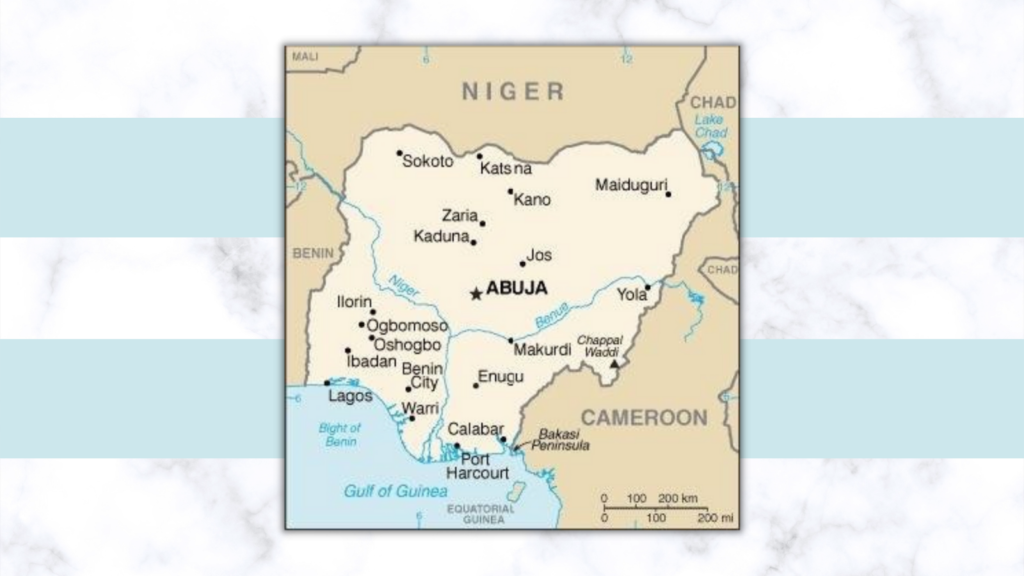
Among the many peoples of West Africa, there are approximately 25 million Fulani. They are considered to be the largest nomadic people in the world and are spread across more than 15 different countries. One tribe of Fulani lives in the western corner of Niger, just below the Sahara Desert.
The nearly half-million Western Niger Fulani have not much in the way of material blessings, good health or quality education. Living in remote villages, most are a good distance from the nearest medical facility or school.
They have not God’s Word, with less than 3 percent of the Bible translated and published in their language.
They have not a church that is easily accessible to them. There is only one church, comprised of two Fulani believers and a missionary, worshiping in their language in an area about half the size of Arkansas.
They have not much opportunity for Christian fellowship for there are only about 50 known believers among the nearly half-million Western Niger Fulani. Some of these are isolated in villages remote from others.
They do have a God who loves them; however, they have not knowledge of that fact.
With fewer than 1 percent claiming Christianity, 95 percent of the Western Niger clings to Islam and many still practice traditional animistic religion. They live in constant fear of evil spirits and the unknown.
They uphold the five pillars of Islam, seeking the approval of the god of Islam, Allah, by their good works of ritual prayer, fasting, giving to the poor, making a pilgrimage to Mecca, and claiming that, “There is no god but Allah, and Mohammed is his messenger.”
They do all of this, hoping but never certain, that they will be “good enough” to enter Paradise upon death.
Share with others: