

Missionary Mary Slessor (1848–1915) was raised in the slums of Dundee, Scotland. She died in a mud hut in Africa. On Jan. 13, 2015, the 100th anniversary of her death, the Mary Slessor Foundation honored her with a bronze plaque in Dundee. She also was remembered in Nigeria.
Born to Robert and Mary Slessor on Dec. 2, 1848, in Gilcomston, Scotland, she was the second of seven children. Her mother was a godly woman but her alcoholic father couldn’t make a living as a cobbler.
In 1859 the family moved to Dundee where her parents went to work in a weaving mill. After her father and two brothers died she worked long days in a mill.
She became a Christian at a young age and dreamed of being a missionary in Africa. Because she was a woman she was discouraged from serving. After hearing about the death of Scottish missionary David Livingstone she applied to the United Presbyterian Church’s Foreign Mission Board and trained in Edinburgh, Scotland. She set sail for Africa on Aug. 5, 1876.
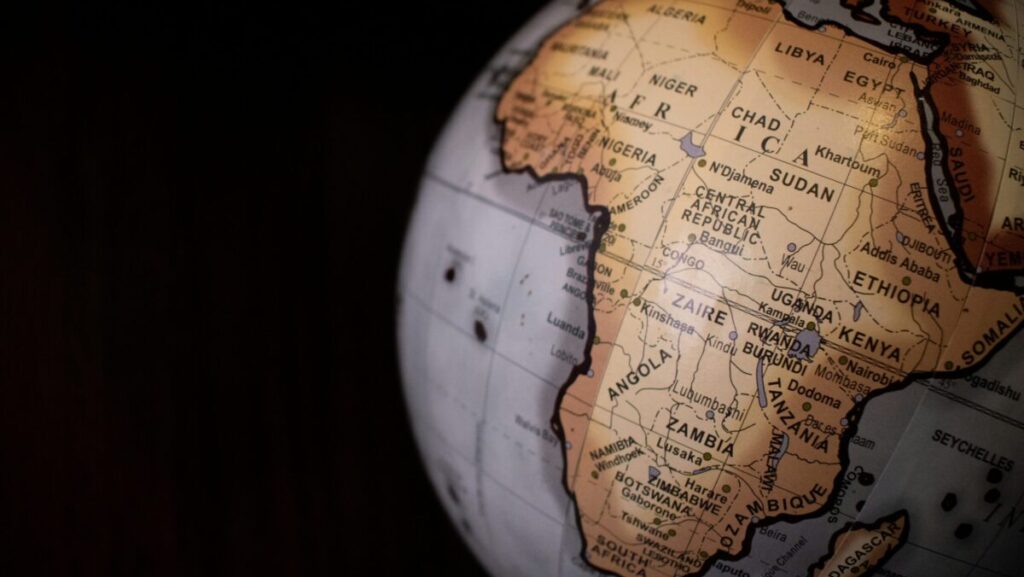
She was assigned to the Calabar region in what is now Nigeria. While serving in area towns, she lived in the missionary compound for three years. There she contracted malaria — a disease she dealt with all her life. It required her to return to Scotland several times.
After recovering Slessor moved to Old Town, Nigeria. Witchcraft, cannibalism and superstition were prevalent. Human sacrifice, the ritual murder of twins and the practice of determining guilt by making suspects drink poison were common. She completely depended on God and succeeded at stopping such practices. Her life, she said, was “one long, daily, hourly record of answered prayer.”
She rescued hundreds of twins abandoned in the bush and adopted several as her children. Missions compounds soon were filled with babies.
In 1888 she traveled farther inland to Okoyong, Nigeria, an area where previous missionaries had been killed. For 15 years she lived with the Okoyong and Efik people. She learned their language and made close personal relationships. She lived like them, eating native food, drinking impure water and going barefoot. She not only spread the gospel but also worked as a nurse, built hospitals and empowered women.
In 1892 she became vice consul in Okoyong, presiding over the native court. She settled disputes, encouraged trade, established social changes and introduced Western education.
In 1904 she moved to Itu, Nigeria, another remote area, going where no white person had been. Because she was known for her work the gospel spread rapidly among the cannibals. In 1905 she was named vice president of Ikot Obong native court.
Toward the end of her life Slessor continued to suffer fevers from malaria. She could no longer walk but had to be pushed along in a handcart.
The “White Queen of Calabar” died Jan. 13, 1915. Government officials, missionaries and crowds of Africans attended her state funeral at Duke Town, Nigeria. She was buried in the land she had sacrificially served for four decades.


Share with others: