
The right of religious freedom for Christians is under attack in almost every part of the world, according to a new report presented to the United Nations in April.
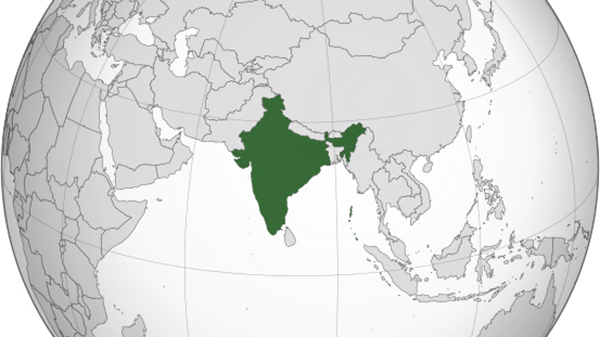
The Geneva Report 2002, compiled and published by the World Evangelical Alliance (WEA), reveals that an unprecedented number of Christians now face disinformation, discrimination and outright persecution worldwide. The report details specific cases of persecution in India, Greece, Cyprus, Nigeria, Sri Lanka, Pakistan, Saudi Arabia, Turkmenistan, China and Sudan.
The Religious Liberty Commission of WEA presented the findings at the United Nations Commission on Human Rights April 8. The WEA represents 115 evangelical organizations and 160 million evangelicals worldwide.
“We estimate that there are more than 200 million Christians in the world today who do not have full human rights as defined by the U.N. Declaration of Human Rights, simply because they are Christians.
We believe that this is the largest group in the world without full human rights because of their beliefs,” states Johan Candelin, director of the WEA Religious Liberty Commission. Candelin delivered the report to the U.N. Commission on Human Rights at the United Nations in Geneva, Switzerland. The report addresses several key issues and questions, including advancing religious freedom at home and mobilizing a constituency in support of international religious liberty.
The underlying reasons for widespread persecution of Christians are numerous and often depend on the political and social views Christians hold.
In many cases, Christians are persecuted because they are seen as a threat to nationalistic loyalties and the culture of a particular country. In some areas, such as India and southern Asia, Christians are persecuted because they stand up for and assist marginalized groups such as the poor, the ill and social outcasts.
WEA called on United Nations member states to give greater attention to the practical implementation of basic provisions of existing international norms that protect religious freedom and promote religious tolerance. Many other basic rights depend on freedom of religion — the right of free speech, assembly, education, parenting and travel.
Share with others: