
By Michael J. Brooks
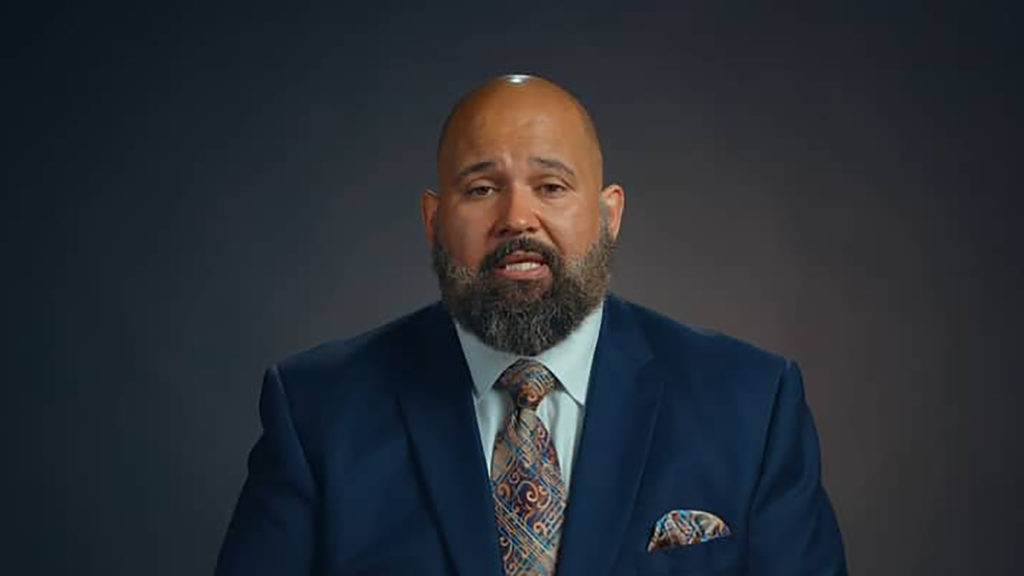
Because ministers are unique in the way they pay taxes, churches must be careful in the way they do salary administration and tax reporting, according to Lee Wright, coordinator of the Alabama Baptist State Board of Missions’ office of church compensation services.
Wright conducts five conferences around the state each year and directed the Church Financial Issues Conference at First Baptist Church, Pelham, on July 14. About 50 church treasurers and other leaders gathered to learn more about proper procedures, new regulations and tips for handling taxes.
Social Security
For example Social Security is navigated differently than federal income taxes, Wright said.
“An ordained minister is considered an employee for federal income tax purposes and self-employed for Social Security and Medicare taxes,” he said. “Churches can withhold federal and state income taxes if they choose, but they cannot withhold Social Security taxes. The minister pays the full 15.3 percent rate himself.”
Housing allowance benefit
One tax-savings benefit available to the minister is the housing allowance, he said. There’s no specific dollar or percentage limit to the amount of salary that can be designated, but the ultimate limit is the fair-market rental value of the minister’s home, furnished and with utilities.
“The housing allowance has been challenged by the Freedom From Religion Foundation, but they lost their case on appeal,” Wright said. “We recommend that ministers continue to claim the housing allowance. It is free from federal income taxes, although Social Security taxes must be paid on it.”
Health insurance
Another issue ministers face is health insurance.
“The Affordable Care Act is five years old now, but new regulations continue to be written,” Wright said. “It mandated every American worker to have coverage by 2014. [In 2016] large employers of 50 and more full-time equivalents will be required to provide insurance for their employees who work 30 hours per week or more. Many churches provide group health coverage as a benefit to their employees.”
Wright explained that the coverage must be a group plan in order to be tax-free. GuideStone coverage is regarded as a group plan even if the church has only one employee. There also is an exception for a group of one when there is only one employee who works 30 hours per week or more. For example if the church paid for an individual plan through a company other than GuideStone, but there was only one employee, that would meet the “group of one” exception. The government marketplace plans aren’t tax free if reimbursed by the employer since the tax savings come through the enrollment process.
Accountable business expense
An accountable business expense is another benefit for ministers, he said. For example, a lump sum given as automobile expense is considered additional salary for ministers and is fully taxable. Ministers who turn in written mileage reports under an accountable plan can be reimbursed for actual expenses without incurring any tax.
Determining employee type
Another common issue for churches is to determine whether a worker is an employee or a contract laborer. Wright said contract workers should fill out a W-9 form that is kept on file by the church. If the contract worker makes more than $600 per year the church must issue a 1099 form. Employees must be issued a W-2 form. Box 7 should be used for nonemployee compensation on the 1099 form for contract workers, he said.
Issues with overtime wages
The failure of many churches to pay overtime wages to some employees often is an issue for churches. Wright said the common designation of salaried and hourly isn’t the best terminology for churches.
“Since we have to follow the U.S. Department of Labor’s guidelines, we ought to talk about exempt and nonexempt employees,” he said. Ministers would be exempt from overtime pay rules as mandated in the Fair Labor Standards Act.
Wright explained that a simple time sheet is one way to handle this matter and that churches can allow comp off-time for nonexempt employees as long as it’s handled within the same work week.
“The burden is on the employer should an employee file a complaint about unpaid overtime wages,” Wright said. “So a church should keep good records and not expect nonexempt employees to work overtime without extra compensation.”
Tax-exempt status
A church’s tax exemption is valuable, Wright said, noting it means that churches are exempt from property taxes and business income taxes and that contributions are considered charitable gifts.
But exemption can be jeopardized if there’s evidence of “inurement,” or gain by insiders, or by excessive political activity.
The IRS document No. 1828, “Tax Guide for Churches and Religious Organizations,” is helpful in this regard, Wright said.
Internal controls for funds
He also encouraged participants to enact internal controls to ensure all church funds are handled with integrity.
“We hear at least once a month of a church member who’s embezzled funds,” Wright said. “I’m sure there are other cases I don’t know about. A simple ‘two-person rule’ is a good safeguard for most churches.”
Wright explained that at least two people should count and deposit money and the church should require two signatures on disbursement checks.
For more information, contact Lee Wright at 1-800-264-1225, ext. 241, or by email at lwright@alsbom.org.



Share with others: