

As the room buzzed around her, Lynn Meadows sat on the floor rocking the infant in her arms, silently praying over the tiny baby boy.
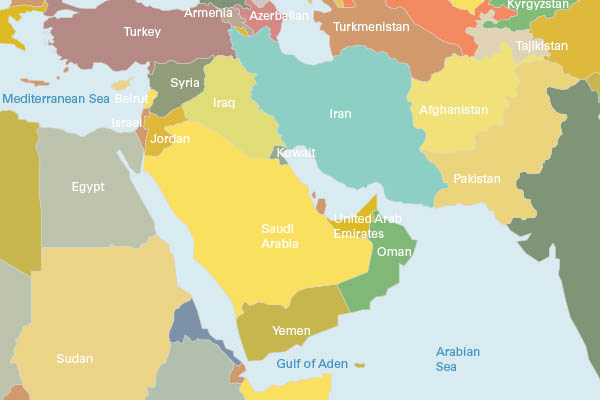
At 20 days old, he was already fatherless — his twin sister, too. Their father didn’t make it out of the shop where he was drinking tea when a 7.2-magnitude earthquake shook Ercis, Turkey, on Oct. 23.
Their uncle, however, took a dive hands-first toward the door of his pizza place, and 10 hours later, rescuers saw his fingers sticking out and pulled him alive from the rubble.
It came down to seconds. Many lived. Some weren’t so lucky.
More than 600 people died and one-third of Ercis’ buildings were lost that day. Multiple-story buildings collapsed to piles of rubble, and an aftershock Nov. 9 brought down dozens more damaged buildings in the area, killing more.
About 50 “micro” to “minor” quakes happen there daily.
“The people are afraid and desperate,” Meadows said. “They don’t know what the future holds.”
The twins’ family lives in a climate of constant fear. They drink tea with mourners in their stove-heated house during the day, but after the sun sets and the temperature drops well below freezing, they huddle into tents in the backyard to sleep.
“The people here are in serious danger of illness, from the cold and from burning fires in their tents and breathing the smoke,” said Paula, a Christian and retired nurse living in Turkey.
According to Baptist Global Response (BGR), quake victims are “on the brink of great suffering” because of their conditions. BGR, through trained aid personnel in Istanbul, is providing trained local people with clothes, food, shelter and medicine for distribution.
“We do what we can to help — pray with them, provide better tents, give medicines, food and socks,” Paula said. “But the needs are so great.”
It’s a crushing burden on a people already buckling under the weight of poverty.
“They are scared they will lose everything as the winter approaches,” Meadows said. “One man I spoke with fears that all their animals will freeze to death without shelter. Without those animals, they will starve without help.”
Many are starving already.
Two weeks to the day of the first quake, on the first day of Muslims’ Kurban sacrifice holiday, children stood on bloodstained streets, holding empty plastic bags in hopes of taking meat home to their families.
“Some people couldn’t afford to celebrate the holiday this year. But people buy what they can, a sheep or a bull, or go in together with other families to buy them for the sacrifice.
People then give the meat away to the poor,” said Mehdi, who went in with six other people to have a bull killed for Kurban. “We’re hoping that because of the blood of these sacrifices, there won’t be any more earthquakes.”
That day, the twins’ family used some of their Kurban meat to feed their guests — Meadows and others who had come to bring help and hope. As they visited and ate, tears dripped from the face of the twins’ grandmother, who wore a black dress and veil and clutched prayer beads.
“Thank you for making us laugh,” she said.
As the group prayed over the family, Meadows prayed for more than laughter for the family — she asked that they would know Christ’s salvation.
“As I held that little baby boy, I prayed fervently that his generation would be one that seeks the face of God,” Meadows said. “Despite their desperation for shelter and protection, they have an even greater need for the Savior. Only in Christ can they find the peace and true shelter from any tragedy.”
The babies’ father likely never had a chance to hear the gospel, she said.
“I prayed his children would not follow in his steps. I prayed they would one day have a chance to hear and that they would respond in faith.”
Christians are meeting the needs of quake victims. There is a need for doctors and nurses in eastern Turkey, as well as financial support to shelter and feed families. For more information about how you can help, visit gobgr.com.
EDITOR’S NOTE — Names have been changed for security reasons. (IMB)

Share with others: