
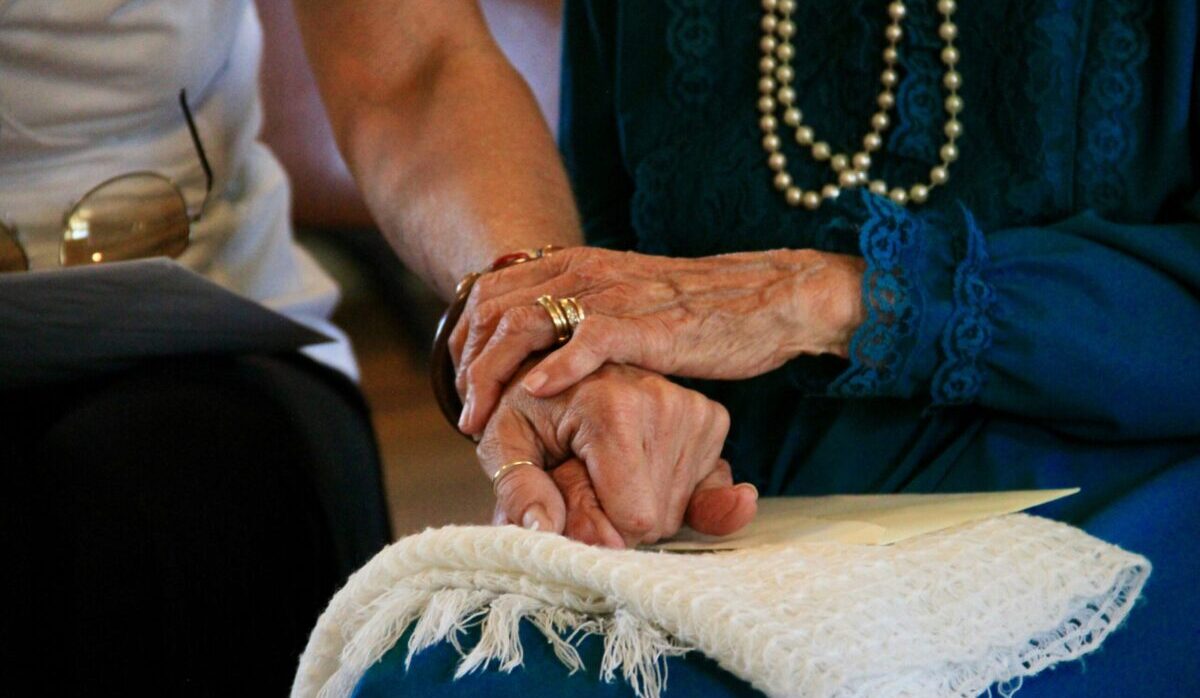
Julie, a 55-year-old adult with no siblings, provides full-time care for her elderly parents, who insist on remaining in their longtime family home. Several years ago, as their health declined, Julie took early retirement from her banking career. She set up a bedroom in their house to care for them. Caregiving around the clock rarely allows her time with her husband in their own home or with her grown children and grandchildren.
RELATED: See other stories in Felt Needs series.
Julie prepares meals, washes clothes, cleans and repairs the house, manages their bills and expenses, and drives her parents to medical appointments. As they grow weaker, she must now provide “high-intensity” care — bathing and dressing them, assisting in the bathroom, lifting them from wheelchairs to beds and performing basic medical tasks. The constant workload has left her physically and emotionally exhausted and is beginning to affect her own health.
Because of her parents’ needs and the high cost of hiring a sitter, she is seldom able to attend church services, Bible studies or fellowship events.
Caregiving the elderly is a major and growing concern in our society — a concern that affects all of us at one time or another. The late Rosalynn Carter, former first lady and longtime advocate for caregivers, observed: “There are only four kinds of people in the world — those who have been caregivers, those who are currently caregivers, those who will be caregivers and those who will need caregivers.” According to AARP’s 2025 report, an estimated 63 million Americans (nearly one in four adults) are caregivers, providing ongoing care for an adult or child with a medical condition or disability. This represents a 45% increase in the past decade, resulting in nearly 20 million more caregivers.
Subscribe to The Alabama Baptist today!
SIGN UP for our weekly Highlights emails.
The average caregiver is a 51-year-old woman (61%), and nearly half care for older adults aged 75+ who often live with multiple chronic conditions, including age-related decline, Alzheimer’s disease or other dementias, limited mobility, cancer and postsurgical recovery.
Challenges of caregiving
Caring for elderly loved ones brings significant pressures, including:
- Physical and emotion strain. Caregivers report physical strain (45%), high emotional stress (64%) and isolation or loneliness (24%). Many must lift patients, work long hours, handle medical equipment or cope with the emotional toil of watching a loved one decline. Caregivers who felt they had “no choice” in assuming the role reported even worse mental-health outcomes.
- Lack of personal time. About 40% of caregivers live with the person they care for. On average, caregivers provide 27 hours of care per week, with 24% providing 40 or more hours. Their tight schedules leave little time for worship, rest or relationships.
- Giving up salaried employment. Many caregivers struggle to maintain employment, especially those working 40+ hours per week. When they must leave salaried positions, they often face financial hardship, sometimes even spending down retirement savings. Approximately 51.8 million caregivers receive no compensation, and they spend an average of $7,200 per year out-of-pocket in caregiving expenses.
- “High-intensity” responsibilities. Forty-four percent of caregivers provide “high-intensity” care that includes tasks they were never trained to perform: administering medications, using complicated medical equipment, monitoring symptoms, communicating with doctors or navigating Medicaid/Medicare issues. Many care recipients live with dementia, Parkinson’s, chronic or terminal illnesses, psychiatric conditions, stroke recovery or severe mobility impairments. Thirty percent of high-intensity caregivers have been in this role five years or longer, often with no relief.
EDITOR’S NOTE — Name changed for privacy reasons.
What the church can do
Caregivers often feel invisible in the church. As they quietly care for loved ones, they miss services and fellowship, carry financial burdens and rarely receive the emotional and practical support they need. Churches can be a tremendous encouragement to caregivers in their congregation by ministering in these practical ways:
— Strengthen communication and connection. Designate a caregiver ministry coordinator to check in regularly by phone, text or brief visits. Keep caregivers updated with church news through email or printed newsletters.
— Identify caregivers and respond to real needs. Create a confidential caregiver survey to discover the needs among caregivers. Organize meal teams, launch a transportation ministry, train respite volunteers and establish a caregiver relief grant to offer financial help during crises.
— Make worship accessible. Livestream all services, Bible studies and seminars. Also, make recordings easily available.
— Partner with local agencies that offer legal guidance, home-health assessments, safety evaluations and transportation.
— Form a rapid-response team. Prepare a group that can step in when a caregiver faces burnout, illness, hospitalization or an emergency.
— Offer emotional and spiritual support. Start a monthly caregiver support group and a prayer partner program. Provide pastoral counseling appointments.
— Provide training opportunities: Offer online and in-person workshops teaching basic caregiving skills, safety practices and stress management.
—Affirm caregivers’ ministry value. Pray for and with caregivers, include them in church programs and assure them they are remembered and loved. Their sacrificial work reflects the compassion of Christ.
If you are the caregiver
- Take care of your physical, mental and emotional health by eating well, exercising, resting and sleeping. If you feel overwhelmed or hopeless, talk with a pastor or Christian counselor.
- Build a small support circle of two or three trusted friends who can check on you, pray for you and offer practical help.
- Join a church support group and meet with other caregivers who understand your challenges and can offer encouragement.
- Stay connected to God: worship, pray, study Scripture, read devotional articles and books, listen to inspiring music and attend church when possible.
- Ask for and accept offered help without guilt. When someone offers a meal, transportation or practical assistance, say yes.
- Remember the importance of what you do. You are providing deeply meaningful ministry. You are God’s hands and heart to someone in great need. And you are working “with all your heart, as working for the Lord” (Col. 3:23).




Share with others: