
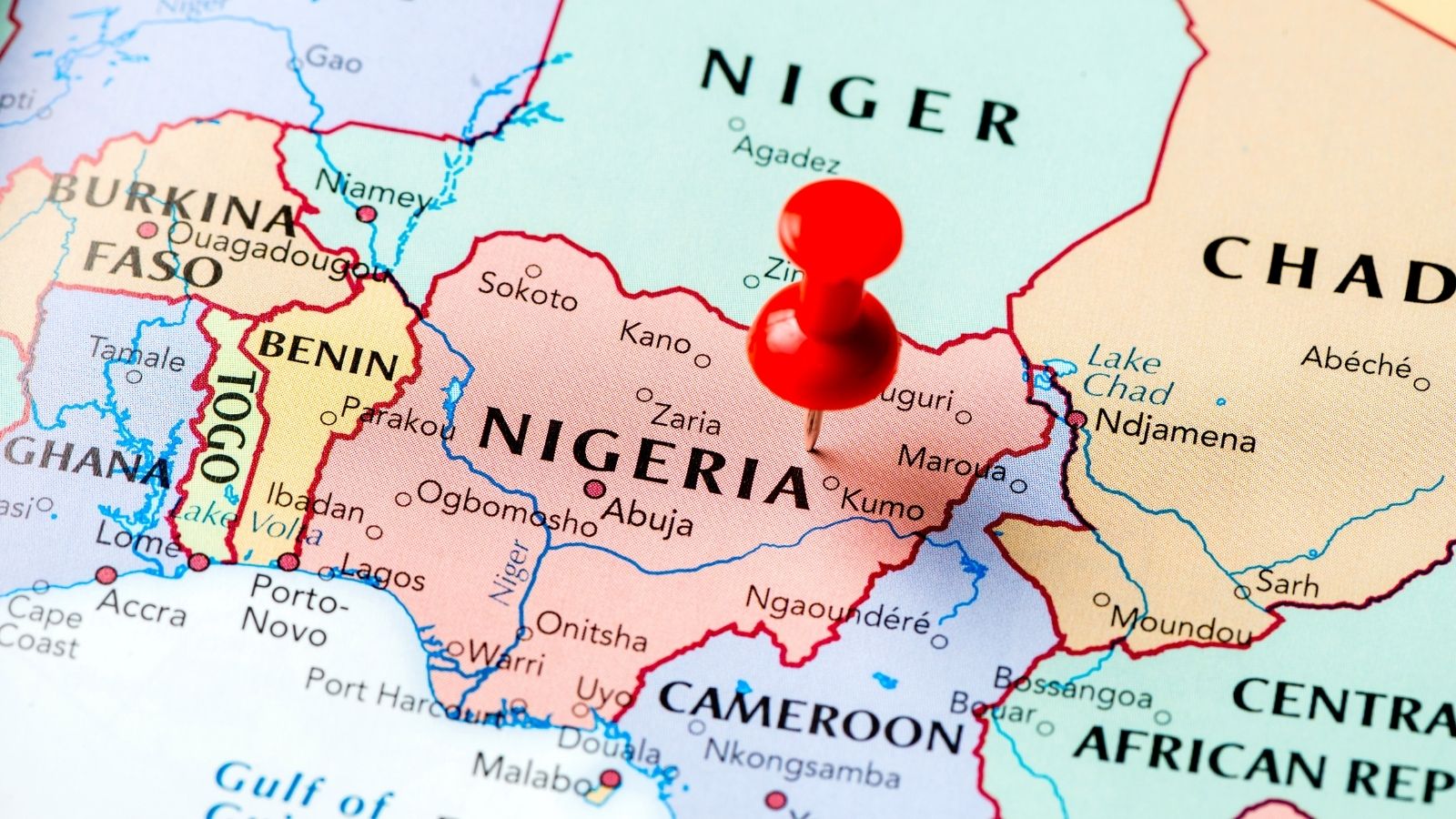
Heavily armed gunmen kidnapped at dozens of students from a Baptist boarding school in northwestern Nigeria in the early hours of July 5, the latest in a series of attacks on schools in the country.
The attackers opened fire on the Bethel Baptist High School in Kaduna state around 2 a.m. on Monday, shooting sporadically. They overpowered security guards, two of whom were killed in the melee, according to Kaduna’s governor.
The Rev. Ishaya Jangado, head of the Kaduna Baptist Conference that manages the school, led prayers July 7 and said the kidnappers made contact with him. He was allowed to talk with some students who confirmed that they were fine and said that the number of pupils abducted was 121.
“We had a call from the bandits. They assured that our children are well,” Jangado said. “They (the students) counted themselves in the jungle and they gave us information that they are 121,” he added.
He added that 28 students escaped from the abduction, some hiding in the school and others running away during the assault on Monday. Jangado said that he met with members of the government who vowed to work to rescue the students and bring them back home.
Bethel Baptist High School is a coeducational school established by the Baptist church in 1991 at the village of Maramara in the Chikun district outside the state capital, Kaduna.
Joseph Hayab, a Baptist pastor and chairman of Christian Association of Nigeria’s Kaduna state chapter, said his son was among those who narrowly escaped.
‘Speechless’
“Right now I’m speechless,” Hayab told MSN. “The school is an educational ministry of my church. This is a very, very sad situation for us.”
Elijah Brown, general secretary of the Baptist World Alliance, told the Texas Baptist Standard he had spoken with several Baptist leaders in Nigeria.
“Today is a day of mourning, as we grieve over what is the most serious attack and greatest tragedy to impact the Baptist community in Nigeria,” Brown said. “I echo the words of a Baptist leader from Kaduna, ‘Our church is in serious pain.’”
“None of the Baptist leaders want to ascribe motivation to the attack but noted that it is an ongoing context of impunity and lack of legal justice and banditry,” Brown said.
In Nigeria, attacks and kidnappings, usually for ransom, have been common for years, and most recently schools have been a target.
The kidnapping by Boko Haram militants of 276 schoolgirls from a school in Chibok first made international headlines in 2014. The Guardian reports that about 1,000 students have been abducted in Nigeria since December. Most have been released, though many are still being held.
Schools closing
Amnesty International reports about 600 schools in northern Nigeria have closed as a result of persistent attacks since late last year.
In April, the United States Commission on International Religious Freedom (USCIRF) issued a statement in which it expressed its “alarm and outrage regarding deteriorating religious freedom conditions in Nigeria in the context of increased violence.
“Nigerians have waited too long for the violence to stop,” USCIRF Vice Chair Tony Perkins stated. “Seven years since the outrageous abduction of the Chibok schoolgirls, copycats are still popping up all over, taking inspiration from Boko Haram and other extremist groups. It is the Nigerian people who pay the price – people like Leah Sharibu, who just passed her third year in captivity having been abducted from her school in 2018 and is still held for refusing to abandon her Christian faith.”
Ongoing violence
The USCIRF report cited ongoing attacks against Christian communities, Muslim communities and houses of worship and called on Nigerian officials to do more to stop the violence.
“USCIRF is deeply concerned these violent trends will only exacerbate the challenges Nigerians face in exercising their right to freedom of religion and belief,” said USCIRF Commissioner Frederick A. Davie. “Nigerian officials at all levels, from the President and federal officials to local governors, police commissioners, and courts need to do more to prevent growing insecurity and hold accountable those who perpetrate violent acts.”
In December 2020, the U.S. Department of State designated Nigeria as a Country of Particular Concern (CPC) for the first time ever due to systematic, ongoing, and egregious violations of religious freedom. Violent attacks by Boko Haram and ethno-religious conflict have become more frequent, and are exacerbated by the judiciary system, the State Department noted.
Nigeria is No. 9 on Open Doors’ 2021 World Watch List of countries where it is most difficult to be a Christian. More Christians are murdered for their faith in Nigeria than in any other country, Open Doors reports.
Note: This story was updated on July 7 to reflect new information about the kidnappings.

Share with others: