
A new state report with a “negative tone” led to a cordial State House conversation Thursday (Sept. 4) about the state’s six mental health crisis centers and how to best judge their impact and make improvements moving forward.
Alabama has spent $175 million on the crisis centers since 2021 when the first was launched, but a preliminary analysis by the Alabama Commission on the Evaluation of Services says a lack of consistency in data reporting makes it difficult to determine their effectiveness.
RELATED: Check out more Alabama news.
Subscribe to The Alabama Baptist today!
“Although Crisis Centers largely follow the recommended guidelines, the Department of Mental Health has deficient strategic control, which leads to a lack of accountability,” the report said. “To determine the effectiveness of Crisis Centers and the impact on the communities they serve, better and more consistent data collection is necessary.”
The centers offer stabilization, short-term care and referrals to long-term treatment to those in crisis. One goal is to keep those with acute needs out of prisons and hospital emergency rooms. The ADMH contracts with local providers that manage the centers.
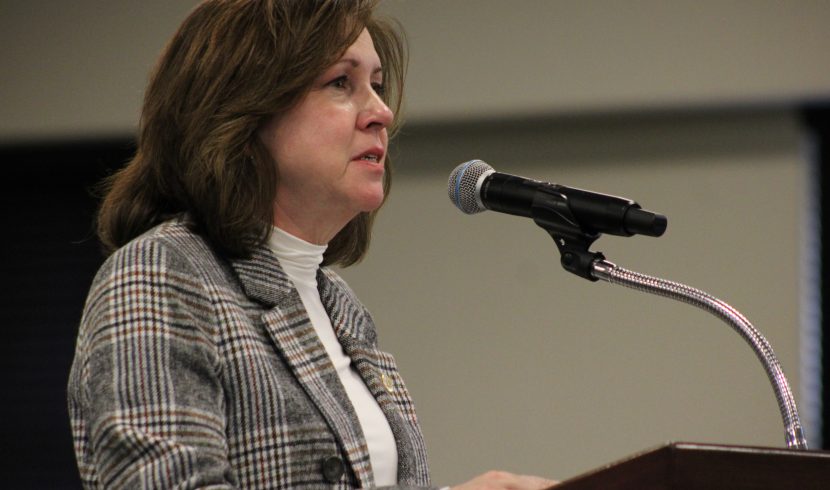
ADMH Commissioner Kim Boswell and her staff pushed back on the ACES analysis, saying that the department can’t turn over protected health information due to federal law and that such a barrier shouldn’t be seen as a “deficiency.”
The six centers have performed 22,297 evaluations, Boswell told commission members on Thursday. That’s 17,162 people who avoided an emergency room admission and 3,349 who avoided jail, she said.
While people can present with multiple symptoms, the most prevalent have been depression, 9,915, and substance use disorder, 8,485. About 3,607 were suicidal.
“Standing up six crisis centers in five years and in the middle of COVID is no small task and I don’t believe this evaluation reflects an accurate picture of the strengths and weaknesses,” Boswell wrote in an agency response letter included in the report.
Seeking improvement
She said in that letter the report had a negative tone and she worried about providers seeing it.
The commission was created in 2019 to assess the effectiveness of various state programs. During an ACES meeting Thursday, some of the commissioners, which include state lawmakers and leaders and staff from various state offices and agencies, agreed the report could be read as negative, but said the goal was improvement. Several were complimentary of ADMH for their work and the ACES’ staff for compiling the report.
EDITOR’S NOTE — This story was written by Alex Angle and originally published by Alabama Daily News.



Share with others: