
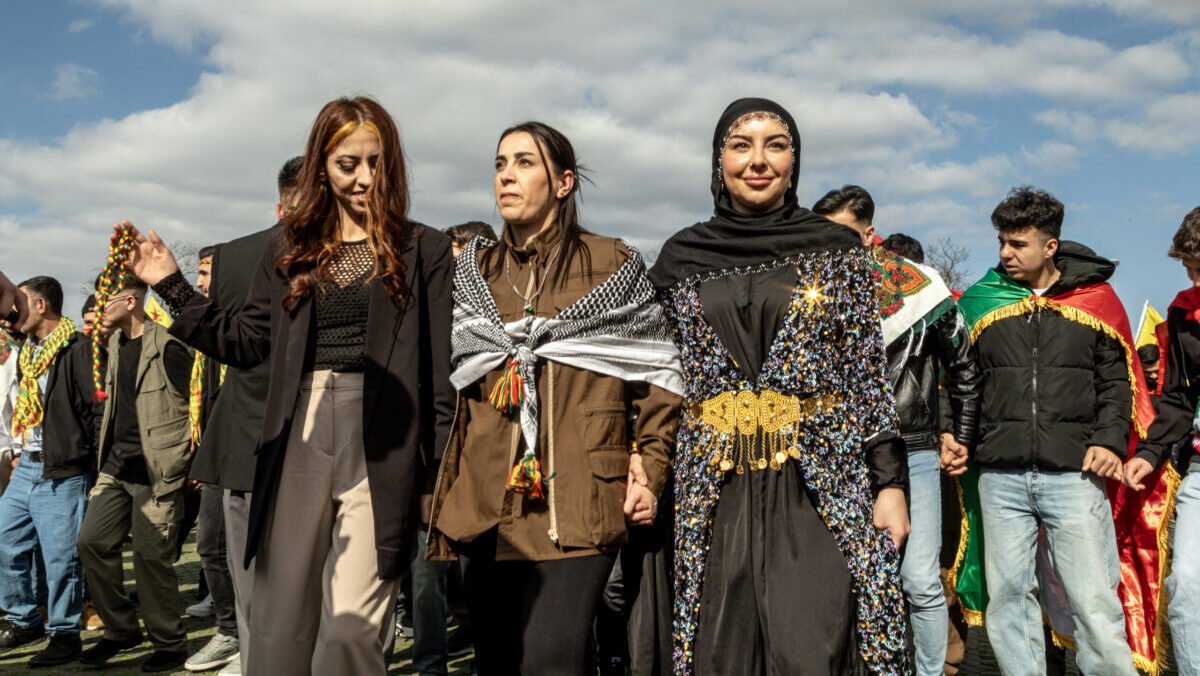
When Russ and Olivia Hooper joined the International Mission Board’s Macedonia Program, they signed up for a four-year adventure that blended hands-on church planting with seminary study.
Their posting placed them in far-reaching areas of Central Asia, serving in provinces that had no churches and in towns reachable only by winding mountain roads. Their job was succinct yet demanding — meet believers scattered across the region, give them Bibles and study materials and encourage them to grow in their faith.
Planting seeds in remote soils
On his journeys, Russ discovered two men, Henry and David, whose hearts burned for the gospel. He challenged them to own the burden of the “lost” and to see evangelism as their calling.
Learning the local language was a steep hill for Russ, but his relentless practice earned the respect of his new friends. They experienced quality fellowship whenever they met.
A sudden halt
After several years on the assignment, the Hoopers traveled out of the country to renew their visas. When they returned, a sudden sanction prevented them from staying in Central Asia. No official explanation was given, and the couple had to leave abruptly without a proper goodbye to the people they had come to love.
“It felt like my preparation and training was for nothing,” Russ said. After years of relentless travel, language study and relationship-building, the abrupt end felt gut-wrenching, Russ described.
Crisis turned to opportunity
Dillon Wray, another member of the IMB team in Central Asia, said the visa issues were a shock to everyone. “This experience affirmed the realization that we can’t rely solely on international missionaries,” he said.
The team, together with national partners, seized the moment to invest more heavily in Central Asian believers. A local church took over the outreach, equipping a small group as deacons to fulfill what Russ began — visiting remote believers, distributing Scripture and shepherding new converts.
Leaders emerging from within
While they were still serving in Central Asia, the Hoopers began to see national leadership blossom. Five or six men regularly traveled with Russ into the provinces, sharing the long drive and the laughter that comes with friendship. One of those companions, urged by the Holy Spirit, delivered a sermon when they gathered with a group of believers. “I could see you being a pastor one day,” Russ told him.
Henry, now studying a second language, is preparing to minister to refugees flowing into his region. David stays in touch with local believers and serves faithfully in his church, ensuring that the gospel message keeps moving forward even without the Hoopers on the ground.
A new chapter at home
Back in the United States, Russ now serves in a local church. “I’m still dreaming of overseas work,” he said, “but right now I’m ready for wherever God calls next.”
The Hoopers have found a fresh way to use what they learned abroad. Their friendships with Central Asian believers allow them to minister to immigrants and refugees from that part of the world here in the U.S.
“I’ve gained empathy by being a stranger in their world,” Russ said. “Now I can relate to them in ways I never could have if I’d never lived there.”
It may appear as if Russ and Olivia did not finish the assignment they started in Central Asia. Yet the very obstacle that cut short their fieldwork cultivated national leaders, deepened local ownership and equipped the Hoopers to serve a diaspora community in the U.S. Perhaps that is exactly the outcome God intended all along.
Some names have been changed for security.
EDITOR’S NOTE — This story was written by Chris Doyle and originally published by the International Mission Board.

Share with others: