
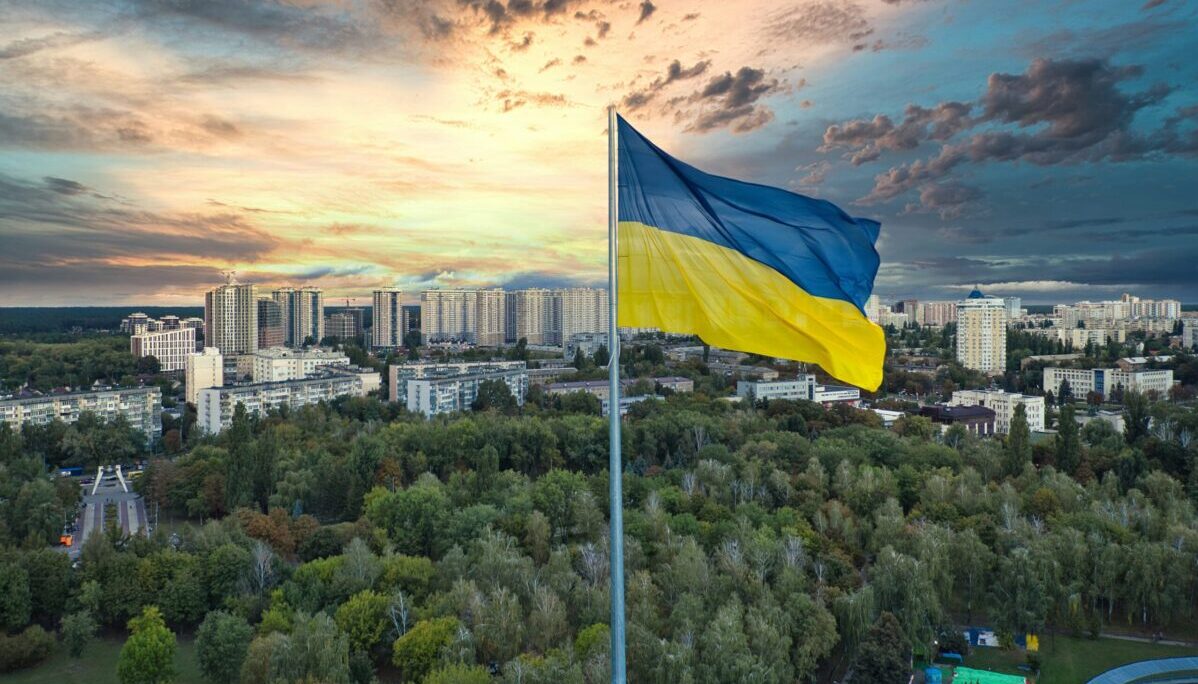
The Russia-Ukraine war continues to target critical infrastructure and, increasingly, the lives of civilians across Ukraine, with Russia carrying out large-scale missile and drone attacks.
Despite devastation, the Ukrainian church has stepped up to meet humanitarian needs, said Igor Bandura, the Ukrainian Baptist Union’s vice president for international affairs.
Check out more stories on the persecuted church.
“In August, Russia expanded its use of FPV drones against civilian vehicles and civilians. The situation is particularly alarming in the Kherson region, where drone attacks on cars, buses, municipal vehicles, and people traveling along roads have intensified. As a result, virtually any movement in affected areas can expose civilians to danger,” Bandura said.
FPV — first-person view — drones are equipped with cameras that send live images back to their pilots, who fly them remotely while wearing goggles that display the live images, similar to virtual reality headsets.
Similar tactics are being reported with increasing frequency in other regions, such as the Sumy, Kharkiv, and Zaporizhzhia regions, where drones target civilian vehicles, businesses, agricultural machinery, civilian infrastructure, and residential areas.
Emergency responders are working continuously at strike sites, clearing rubble and initiating search, rescue and recovery efforts. Damaged infrastructure has impacted the ability of civilians to engage in ordinary activities, such as traveling to work, school, accessing essential services, and returning home.
Churches serve to meet needs
Humanitarian needs across Ukraine remain immense, said Bandura, with the most vulnerable people living near the front lines.
“Those most vulnerable [also] include … internally displaced persons, single mothers, widows, orphans, families of those who have been killed, gone missing, or are being held in captivity, as well as veterans in need of physical, psychological and spiritual rehabilitation,” Bandura said.
“Among the most urgent needs today are food, medicine, hygiene supplies, repairs to damaged homes, psychological support, assistance for children, rehabilitation for veterans, evacuation from dangerous areas, and access to safe transportation amid the growing threat of drone attacks.”
Despite Russian strikes increasingly affecting the infrastructure and essential services Ukrainians depend on daily, the church has stepped in, continuing to bear witness to the presence of Christ.
“When fear threatens to paralyze people, the love, sacrifice and service of believers become a living testimony that God has not abandoned Ukraine. Even amid missile, drone and guided aerial bomb attacks, the church continues to bring people hope, compassion, and the light of Christ’s love,” Bandura said.
Source of hope
Churches continue to remain a source of practical support and hope for Ukrainian communities impacted by war.
“They evacuate people from dangerous areas, distribute humanitarian aid, repair damaged homes, support bereaved families, provide ongoing care for military personnel and veterans, organize camps and outreach programs, and offer spiritual and emotional care to those living under the constant strain of war,” Bandura explained.
The season has also brought about many baptisms and stories of salvation, Bandura said.
“In Kyiv, Lviv, Odesa, Lutsk, Irpin, Poltava and many other cities, towns and villages across Ukraine, churches have gathered to celebrate these special occasions. Many of those joining evangelical churches have powerful and deeply personal stories of how, amid the realities of war, they found their way to faith in God.”
More than 40 Baptist General Convention of Texas churches churches have partnered with Baptist churches in Ukraine through Healing Path Movement to provide further support amid the war and with an eye to what will be needed when the war ends.
EDITOR’S NOTE — This story was written by Faith Pratt and originally published by Baptist Standard.




Share with others: