
With the release of his 1997 album “This Bright Hour,” Christian musician Fernando Ortega was thrust into the kind of success that recording artists covet — strong commercial popularity coupled with solid critical acclaim.
His accomplishments include two Dove Awards, as well as half a dozen singles that have risen to the top of contemporary Christian music charts.
Ortega admits that he is not always entirely comfortable with the commercial success of his music.
It has taken him awhile to reconcile his ministry with the huge marketing machine that generates much of the success Christian recording artists enjoy.
“When any sort of commerce is involved with people buying tickets and CDs, the lines get a little blurred to say that this is ministry in a pure sense,” he told EP News.
Nonetheless, Ortega sees people touched by his music.
“There is still ministry that takes place,” he says, “as people come expecting, and they respond — not just emotionally, but spiritually.”
Of the celebrity status that comes with the job, he says, “Whether you like it or not you become some sort of minor celebrity when you do this,” he said. “People look to you and think you are somehow specially anointed.
“They have higher expectations of Christian singers than they do of your average Joe,” Ortega pointed out.
Christian music merchandisers tend to slot Ortega’s music in the worship category, but he prefers to describe his distinctive style more as narrative. “I tell a lot of stories in my songs,” he explains.
“I talk about everyday life and people in everyday situations. I talk about the transcendence of God and how the gospel shows itself in the everyday, small things of life.”
In his latest album, “Storm,” Ortega contemplates the storms of life that are a common theme for all people, but which are particularly valuable to Christians.
“We go through storms in our lives,” he says, “through times of testing, sometimes very sudden and intense and unexpected, just like a storm would be.”
For Ortega, the “Storm” album is about “coming through those storms of life and recognizing that God has gone before you and has done things inside of you.
In the end, your relationship with Him and your commitment to Him are fortified and deepened.”
Ortega recalls that he was busily writing music for the “Storm” album Sept. 11.
While the tragedy of that day didn’t change the truth of what he was trying to convey through the music, it did impact the recording of some of the songs.
“The intensity of that whole time and the weight of it was on us on a few of the songs,” he remembers, “because it was such a shocking thing.”
The truth of God’s presence in the storms of life weren’t changed by that horrific time, however.
“I think some of the songs and some of the emotions behind the songs were intensified by the events of Sept. 11,” Ortega says.
“But I don’t think it will change the truth of what I was saying in any way. Sept. 11 doesn’t make the message more true.” (EP)
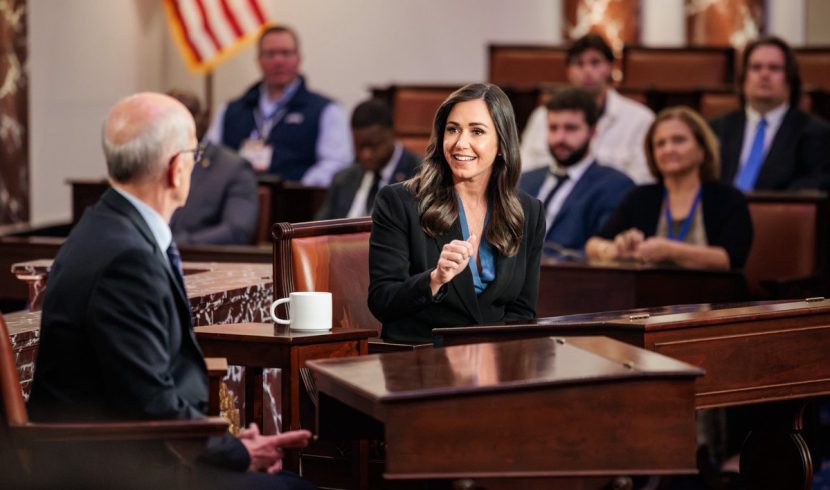
Clergy Act signed into law: Britt ‘thrilled’ ministers can re-enroll for key benefits
President Donald Trump signed the Clergy Act into law on Tuesday (Sept. 20), creating a temporary opportunity for eligible ministers who previously opted out of Social Security to elect future participation in the program.

Latest news: Former Lifeway employee charged; pastors weigh in on challenges of preaching; Mo. Supreme Court tackles question of explicit books in public schools
Check out these recent headlines reported by The Baptist Paper.

How a legacy of faith is impacting IMB’s gospel work
Rebeca Couto moved from one volcanic archipelago to another, leaving Portugal’s Azores islands to anchor her life in Japan. The

Rankings of Alabama elementary and middle schools released
U.S. News & World Report has released its 2027 Best K-8 Schools rankings, showing how 871 Alabama elementary and middle schools
Share with others: